The world of manufacturing relies heavily on the stamping process, a fundamental technique for transforming flat sheet metal into various functional and aesthetically pleasing shapes. From the intricate components inside your smartphone to the robust body panels of an automobile, metal stamping parts are ubiquitous. For businesses seeking metal stamping services or partnering with a metal stamping company, understanding the nuances between different stamping methods is crucial. This article dives deep into the two primary approaches: hot metal stamping and cold metal stamping, elucidating their mechanisms, advantages, disadvantages, and typical applications to help you make informed decisions for your projects.
I. Introduction to Metal Stamping
A. What is Metal Stamping?
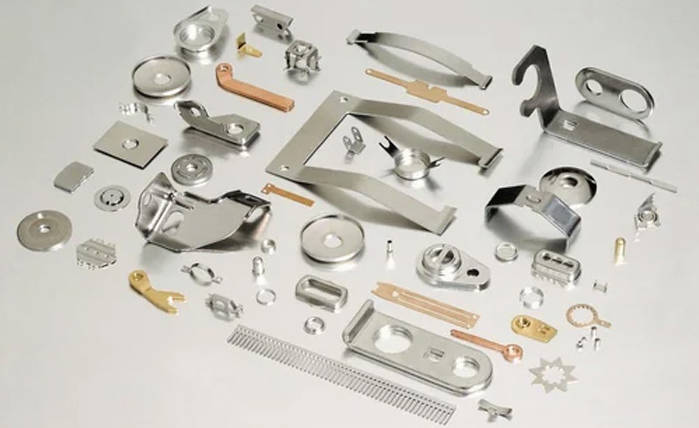
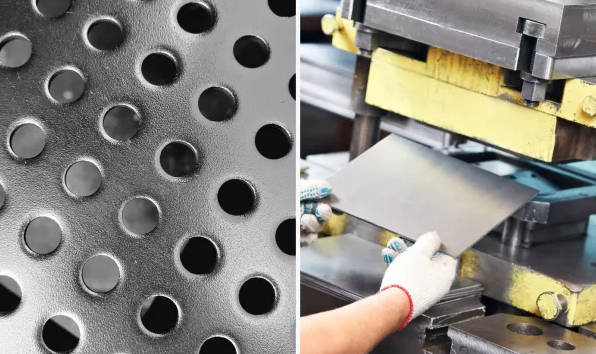
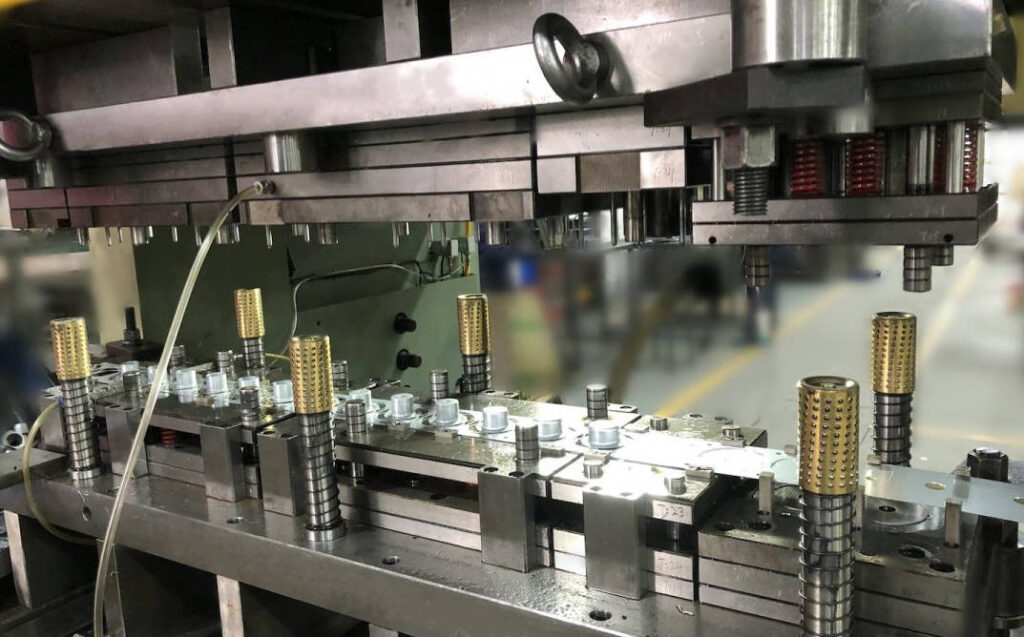
Metal stamping, also known as pressing, is a cold-forming or hot-forming process that uses a stamping press to convert flat metal sheets into specific shapes. It involves placing flat sheet metal, either in coil or blank form, into a stamping press where a tool and die surface form the metal into a new shape. This process can include a variety of sheet metal forming manufacturing processes, such as punching, blanking, bending, piercing, flanging, and coining. The versatility and efficiency of the stamping process make it indispensable across numerous industries, including automotive, electronics, aerospace, medical, and consumer goods.
B. Why Differentiate Between Hot and Cold Stamping?
While both hot and cold stamping fall under the umbrella of metal forming, their underlying principles, material behavior, and end-part characteristics differ significantly. Recognizing these differences is vital for optimal part design, material selection, cost efficiency, and ultimately, the success of a manufacturing project. A proficient metal stamping manufacturer or provider of metal stamping services will leverage this understanding to guide clients toward the most suitable process.
II. Cold Metal Stamping (Cold Forming)
A. Process Description
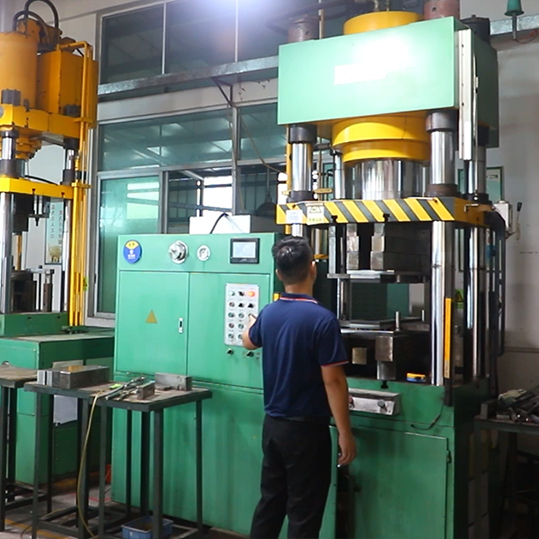
Cold metal stamping, or cold forming, involves shaping sheet metal at or near room temperature, typically without external heating. The material is subjected to high pressure from a punch and die, causing it to deform plastically and take the desired shape. The process is characterized by the direct mechanical force applied to the unheated metal. Common equipment includes mechanical presses, which are fast and ideal for high-volume production, and hydraulic presses, which offer greater control over pressure and stroke, suitable for deeper draws.
B. Material Considerations
A wide range of metals are suitable for cold stamping due to their inherent ductility and formability at ambient temperatures. These include:
- Carbon Steel: Widely used for its strength and cost-effectiveness.
- Stainless Steel: Known for corrosion resistance and strength, though harder to form.
- Aluminum: Lightweight and corrosion-resistant, commonly used in automotive and aerospace.
- Brass and Copper: Excellent electrical conductivity and formability for electronic components.
One key aspect of cold stamping is work hardening (strain hardening), where the material becomes stronger and harder as it’s plastically deformed. This can be an advantage for increasing the final part’s strength but also limits the extent of forming in a single operation.
C. Advantages of Cold Stamping
Choosing a metal stamping company specializing in cold stamping offers several benefits:
- Higher Dimensional Accuracy and Tighter Tolerances: Because there’s no thermal expansion or contraction, cold stamped parts exhibit excellent precision.
- Excellent Surface Finish: The absence of heating means no oxidation or scaling, resulting in a cleaner, smoother surface directly from the die.
- Increased Material Strength due to Work Hardening: This inherent property can eliminate the need for subsequent heat treatments for strength.
- Faster Production Speeds and Lower Cycle Times: Cold stamping typically boasts higher throughput, making it economical for large production runs.
- Reduced Energy Consumption Compared to Hot Stamping: No energy is expended on heating large volumes of material.
D. Disadvantages of Cold Stamping
Despite its advantages, cold stamping also has limitations:
- Limited Formability for Complex Shapes or Thick Materials: The work hardening effect can restrict the depth of draws or the intricacy of shapes achievable in a single pass without intermediate annealing.
- Higher Tonnage Requirements for Presses: Forming unheated, harder material demands greater force from the stamping equipment.
- Potential for Springback Issues: Due to the material’s elastic recovery, parts may slightly revert to their original shape after forming, requiring careful die design and compensation.
- Tooling Wear Can Be Higher Due to Material Hardness: The friction and pressure on unheated metal can lead to faster wear on dies, increasing tooling maintenance.
E. Typical Applications
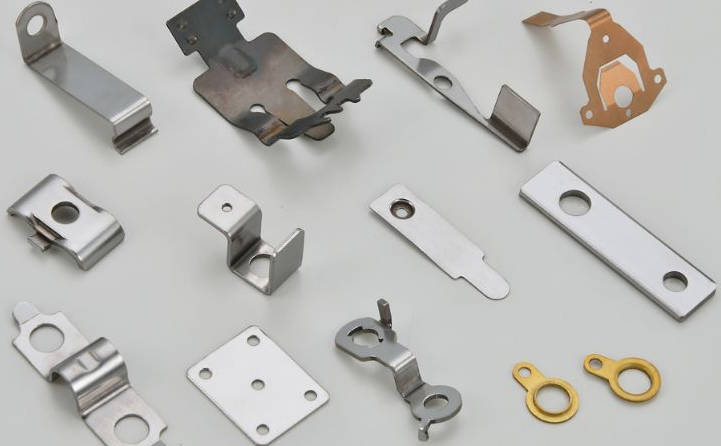
Cold-stamped metal stamping parts are pervasive across industries. Examples include:
- Automotive body panels (non-structural)
- Electronic connectors and housings
- Household appliance components (e.g., washing machine tubs, refrigerator panels)
- Coinage and medals
- Consumer product casings and brackets
III. Hot Metal Stamping (Hot Forming)
A. Process Description
Hot metal stamping, or hot forming, involves heating the sheet metal blank above its recrystallization temperature (typically 800-950°C for steels) before forming. This heating process significantly reduces the material’s yield strength and increases its ductility, making it much easier to form complex shapes with less force. After forming, the part is often rapidly cooled or quenched within the press dies (press hardening) to achieve extremely high strength.
Common heating methods include:
- Induction Heating: Rapid and precise heating, often used for individual blanks.
- Furnace Heating: Suitable for batch heating of multiple blanks.
Specialized hot stamping presses are designed to withstand high temperatures and often integrate quenching systems.
B. Material Considerations
Hot stamping is predominantly used for ultra-high-strength steels (UHSS), particularly Boron-alloyed steels (e.g., 22MnB5). These materials are nearly impossible to form into complex shapes at room temperature due to their high strength and low ductility. Heating them above their recrystallization temperature allows for significant plastic deformation. Unlike cold stamping, there is no work hardening during the hot forming process itself; instead, strength is achieved through a phase transformation during controlled cooling.
C. Advantages of Hot Stamping
For demanding applications, hot stamping offers critical advantages:
- Superior Formability for Complex Geometries and Deep Draws: The material’s ductility at high temperatures allows for intricate shapes that are unachievable with cold stamping.
- Ability to Process Ultra-High-Strength Materials: This is the primary driver for hot stamping, enabling the use of materials that deliver exceptional strength-to-weight ratios.
- Reduced Springback Issues: Due to the material’s softened state during forming, springback is significantly minimized.
- Lower Tonnage Requirements for Forming Compared to Cold Stamping for the Same Material Thickness: The heated, more pliable material requires less force to shape.
- Potential for Integrated Heat Treatment (e.g., Press Hardening): This allows for simultaneous forming and hardening, streamlining the manufacturing process and eliminating separate heat treatment steps.
D. Disadvantages of Hot Stamping
Working with high temperatures introduces certain drawbacks:
- Higher Energy Consumption Due to Heating: Significant energy is required to bring materials to their forming temperatures.
- Oxidation and Scaling Issues on the Material Surface: The hot metal reacts with oxygen, forming an oxide layer (scale) that may require post-processing (e.g., shot blasting) for surface quality.
- Longer Cycle Times Due to Heating and Cooling Phases: The thermal processes add time to the overall production cycle.
- Lower Dimensional Accuracy Compared to Cold Stamping Without Post-Processing: Thermal expansion and contraction can make it harder to hold tight tolerances directly from the press without further calibration.
- More Complex Tooling and Higher Tooling Costs: Dies must be designed to withstand high temperatures and thermal cycling, often requiring integrated cooling channels, leading to higher manufacturing costs for the metal stamping manufacturer.
E. Typical Applications
Hot-stamped metal stamping parts are critical for safety and structural integrity, especially in the automotive industry:
- Automotive structural components (e.g., B-pillars, roof rails, bumper beams)
- Crash-critical parts requiring high energy absorption
- Reinforcement panels for lightweight vehicle designs
IV. Key Differentiating Factors and Decision-Making Criteria
Understanding the core differences between these two stamping processes is paramount for any metal stamping company or client.
| Feature | Cold Metal Stamping | Hot Metal Stamping |
| Temperature Range | At or near room temperature | Above recrystallization temperature (800-950°C) |
| Material Behavior | Work hardening occurs; higher yield strength | Significant ductility increase; no work hardening |
| Formability | Good for moderate complexity; limited deep draws | Excellent for complex shapes, deep draws |
| Dimensional Accuracy | Very High (0.01-0.05 mm) | Moderate to High (0.1-0.3 mm), potential for distortion |
| Surface Finish | Excellent, clean | Oxidized surface, scale formation |
| Part Strength | Increased by work hardening | Achieved via quenching/phase transformation |
| Tooling Complexity/Cost | Moderate to High; less thermal management | High; requires specialized high-temp materials & cooling |
| Production Speed | High cycle times, faster | Slower due to heating/cooling cycles |
| Energy Consumption | Lower | Higher |
| Springback | Present, requires compensation | Significantly reduced |
| Material Types | Carbon steel, stainless steel, aluminum, brass | Ultra-high-strength steels (e.g., Boron steel) |
V. Choosing the Right Stamping Process: A Guide for Users
The decision between hot and cold stamping is not arbitrary; it’s a strategic choice based on part requirements, material properties, and economic considerations. A reliable metal stamping manufacturer will guide you through this selection.
A. When to Choose Cold Stamping
Cold stamping is the optimal choice for high-volume production of parts requiring tight dimensional tolerances, excellent surface finish, and increased strength through work hardening. It’s also preferred when the part geometry is relatively simple or moderately complex, and the material is readily formable at room temperature. For many standard metal stamping parts, cold stamping offers the most cost-effective and efficient metal stamping service.
B. When to Choose Hot Stamping
Hot stamping is indispensable for forming ultra-high-strength steel components with complex geometries, deep draws, or where extreme final part strength and minimal springback are paramount. It’s the go-to process for critical structural and safety components in the automotive industry. If your design requires materials that are too strong or brittle for cold forming, or if significant weight reduction through material thinning is a goal, hot stamping is likely the answer.
C. Hybrid Approaches and Emerging Technologies
The stamping process continues to evolve. Some advanced metal stamping services might offer hybrid approaches, such as warm forming, which operates at temperatures between cold and hot stamping, aiming to combine some benefits of both. Innovations in tooling materials, predictive simulation software, and automation are continually enhancing the capabilities and efficiency of both hot and cold stamping.
VI. Common FAQs and Troubleshooting for Stamping Process Users
Engaging with a metal stamping company often brings up common questions. Here are some answers that can help in your project planning:
A. “How does material thickness impact the choice?”
Generally, thicker materials or those with higher strength often lean towards hot stamping due to the reduced forming force required at elevated temperatures. Thinner, more ductile materials are typically suitable for cold stamping.
B. “What about post-processing requirements for each method?”
Cold-stamped parts usually require minimal post-processing for surface finish but may need deburring or springback correction. Hot-stamped parts, especially those using conventional heating, often require shot blasting to remove oxide scale and may need additional steps for precise dimensional control or coating.
C. “Can I convert a cold-stamped part to hot-stamped, or vice versa?”
While theoretically possible, it’s rarely a straightforward conversion. Changing the stamping method often necessitates significant redesign of the part, material selection, and tooling. The optimal process is usually determined early in the design phase based on performance requirements.
D. “How do I minimize springback in cold stamping or oxidation in hot stamping?”
For cold stamping, advanced die design, material pre-straining, and specific coining operations can help mitigate springback. In hot stamping, protective coatings (e.g., aluminum-silicon coatings on Boron steels) are commonly used to prevent or minimize oxidation and scale formation.
E. “What are the typical cost implications for each process?”
Cold stamping generally has lower per-part costs for high volumes due to faster cycles and less energy consumption. However, tooling costs can be high. Hot stamping typically has higher per-part costs due to energy usage, longer cycle times, and more complex, expensive tooling. The overall cost-effectiveness depends heavily on part complexity, material choice, and production volume.
VII. Conclusion
The distinction between hot and cold metal stamping is far more than just temperature; it’s about fundamentally different approaches to material forming, each with its own set of advantages and limitations. Cold stamping excels in precision, surface quality, and speed for high-volume, moderately complex parts, while hot stamping is the undisputed champion for forming ultra-high-strength materials into complex, safety-critical components.Choosing the correct stamping process is a critical decision that impacts part performance, manufacturing costs, and lead times. By understanding these differences, businesses can better articulate their needs to a metal stamping manufacturer and ensure they receive the most appropriate and effective metal stamping services for their specific metal stamping parts requirements. Consulting with experienced engineers at a reputable metal stamping company is always recommended to navigate these complexities and optimize your manufacturing strategy.